Addiction in a World of Endless Pleasure
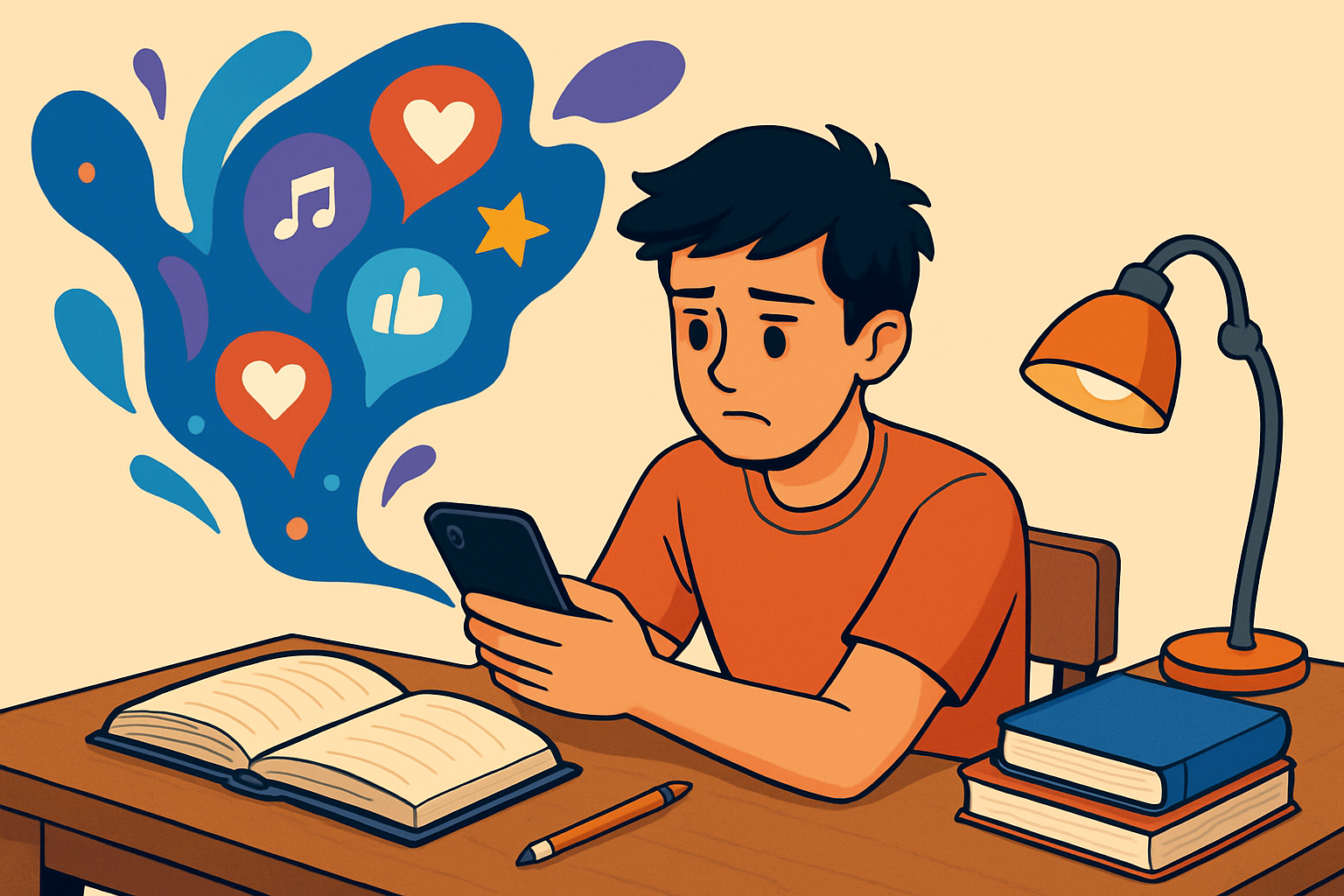
Today, people can get addicted to almost anything. We usually think of addiction as drugs or alcohol, but it can also be things that seem “good,” like doing tons of LeetCode problems, going to the gym every day, or constantly checking your grades. The common point is not whether the thing looks good or bad from the outside. The real question is: who is in control — you, or the habit?
What is addiction, really?
Our brains are wired to repeat things that feel good. When we do something that brings us pleasure — eating tasty food, winning a game, seeing a funny video — the brain releases a chemical called dopamine. You can think of dopamine as a “good job, do this again” signal.
If we repeat the same action over and over, and it keeps giving us that good feeling, the brain builds stronger and stronger connections around it. After a while, we don’t just do the thing because we want to — we do it because we feel like we have to. That’s when it starts to look like addiction.
But not everything we repeat is an addiction. A habit is something you do regularly. An addiction is when stopping feels almost impossible, even when you know it’s hurting you or keeping you from what you truly want.
Why TikTok feels easier than studying
If both TikTok and studying can give us rewards, why is TikTok so much more addictive for most people?
The answer has a lot to do with how the rewards are delivered:
Instant reward vs. delayed reward
TikTok gives you a hit of fun in seconds. You open the app, and boom — video, sound, colors, jokes. Studying, on the other hand, gives rewards later: good grades, skills, a job, pride. Our brains love quick wins more than slow ones.
Unpredictable rewards
Every time you scroll, you don’t know what you’ll get. A boring video… then a hilarious one… then something shocking. This “maybe the next one will be amazing” feeling is extremely powerful. It’s the same trick used in slot machines.
Designed to keep you hooked
Social media apps are created by very smart people called behavioral designers. Their job is to make the app so interesting and convenient that you don’t want to leave. Infinite scroll, auto-play, notifications — none of this is an accident.
Studying or doing LeetCode usually doesn’t have bright colors, loud sounds, and wild surprises every five seconds. The reward is real, but it’s calmer and comes later. That’s why one feels like candy and the other like vegetables.
Why changing bad addictions matters
So what’s the problem? If something feels good, why not keep doing it?
Because bad addictions steal your life in small pieces.
They take your time, your focus, and eventually your choices. You might say you want to learn to code, be fit, start a business, or get into a good school. But if your actions are controlled by your next dopamine hit from games, social media, or other distractions, then you’re not really in charge.
You should be able to choose:
“I want to study now.”
“I want to rest now.”
“I want to play now.”
If you can’t choose — if the app, the game, or the habit is choosing for you — that’s a problem.
Step 1: Notice what’s really happening
The first step to changing any addiction is simply to notice it.
- How many hours are you actually on TikTok, YouTube, or games?
- How do you feel before, during, and after?
- What important things are you skipping because of it?
You can even write it down for a few days. Seeing “5 hours on TikTok” in front of you hits different than just thinking “I’m on my phone a lot.”
Step 2: Don’t fight it with willpower alone
A lot of people try to beat addiction by saying, “I’ll just use willpower.” But if you’ve been using TikTok for 5 hours a day, you’ve already proved something: this habit is stronger than your willpower right now. If you could simply stop, you probably would have already.
So instead of relying on pure strength, change the environment:
- Use blocking apps on your phone or computer.
- Make sure they are “nuclear” blocks:
- You can’t easily delete the app.
- You can’t change the settings.
- A friend or family member sets a password that you don’t know.
- Some apps add long timers or delays before you can open certain sites, which makes mindless scrolling much less tempting.
The idea is simple:
You use a burst of willpower once to set up strong blocks…
so you don’t have to use willpower every minute afterward.
When the distractions are blocked, you suddenly see how long 24 hours really is. You start to realize: high-performing people don’t have more time than you. They just waste less of it.
How your brain adjusts
At first, quitting or cutting down feels awful. You’re bored. You reach for your phone automatically. You feel like something is missing.
But after a while, something cool happens: your brain begins to reset. When you stop flooding it with huge amounts of dopamine from fast, flashy stuff, it becomes more sensitive to smaller, calmer rewards.
Things that used to seem “boring” can start to feel good:
- Solving a hard LeetCode problem
- Reading a book
- Going for a walk
- Working on a long-term project
Your brain is no longer chasing only the biggest, loudest hit. It starts to be happy with normal life again.
Taking back control
Addiction isn’t just about drugs or YouTube. It’s about ANY pattern where a behavior takes over your choices. In a world full of endless pleasure — endless scrolling, endless games, endless content — learning to control your attention is one of the most powerful skills you can have.
Notice your habits. Remove the traps. Let your brain reset.
Don’t be a hostage to your dopamine-seeking brain. Use it wisely, and it can help you build the life you actually want.
Get AI scheduling insights, product news, and Bay Area community updates delivered to your inbox.
No spam. Unsubscribe anytime.