The AI Trust Gap: Why Most Americans Are Still Skeptical of Artificial Intelligence
Public skepticism toward AI stems less from its capabilities and more from a lack of trust, driven by its rapid pace of development, job displacement fears, sensationalized media narratives, and limited transparency. Many people feel uncertain and out of control as AI evolves faster than they can understand or adapt. While AI can enhance productivity, it cannot truly replace human creativity or original thought, making it better understood as a tool rather than a substitute for human intelligence.

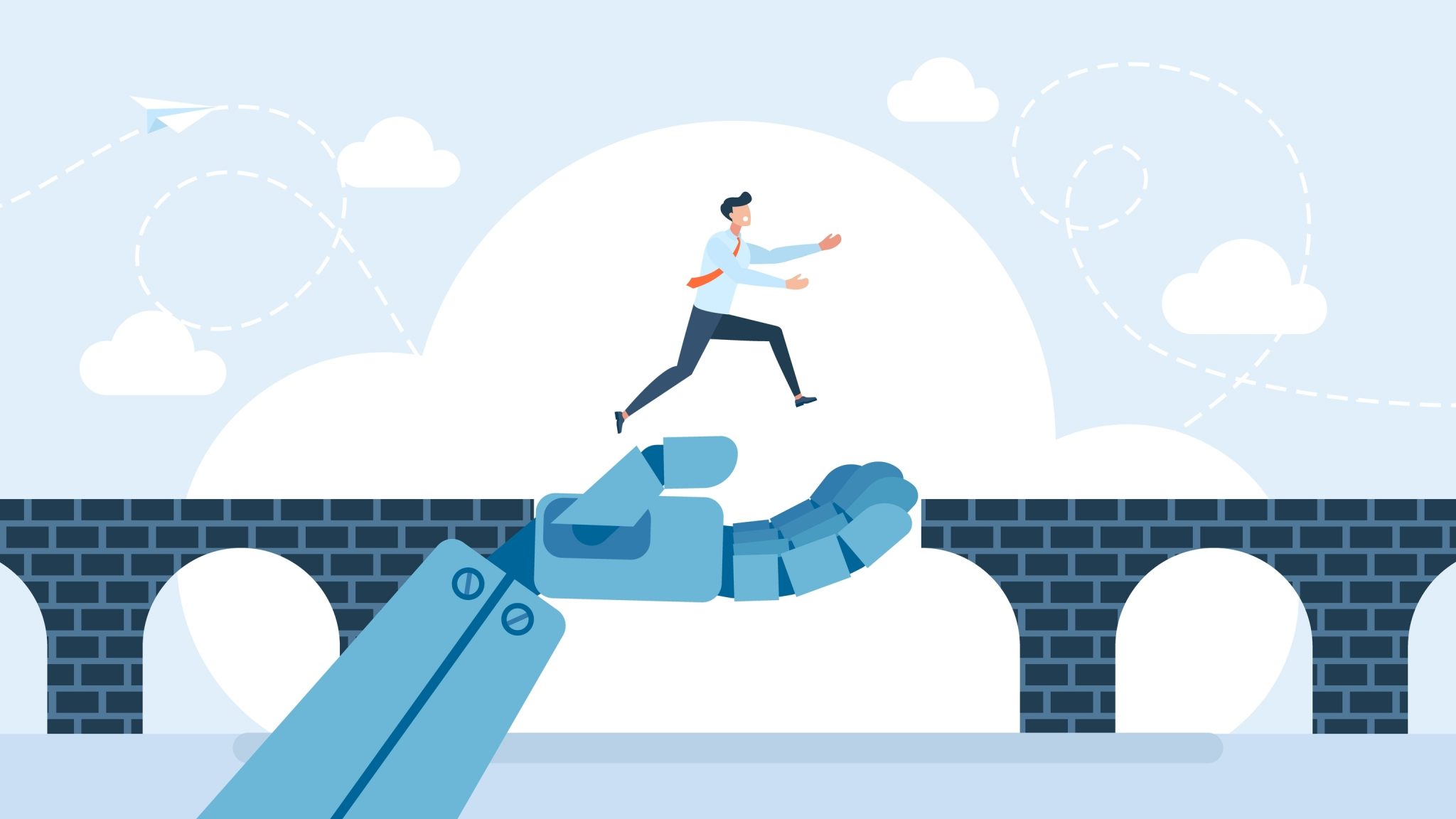
According to a recent NBC news poll, only about 26% of Americans view AI positively, while roughly 46% hold negative views. For a technology often described as revolutionary, on par with electricity or the internet, this is a striking disconnect. If AI truly represents the future, why does nearly half the population feel uneasy or outright resistant toward it?
This gap between innovation and public trust reveals something deeper than just unfamiliarity with new technology. It reflects a complex mix of fear, lived experience, media narratives, and a rapidly changing economic landscape.
The Speed Problem
One of the biggest reasons for skepticism is simple: AI is moving too fast.
Technological adoption usually follows a gradual curve. People have time to adapt, learn, and integrate new tools into their lives. AI, however, feels different. In just a few years, we’ve gone from basic chatbots to systems that can write code, generate realistic images, and automate entire workflows.
For many, this pace feels less like progress and more like loss of control. When people don’t understand how something works — or how quickly it’s evolving — they’re more likely to distrust it.
Job Anxiety Is Real
A major driver of negative sentiment is economic fear.
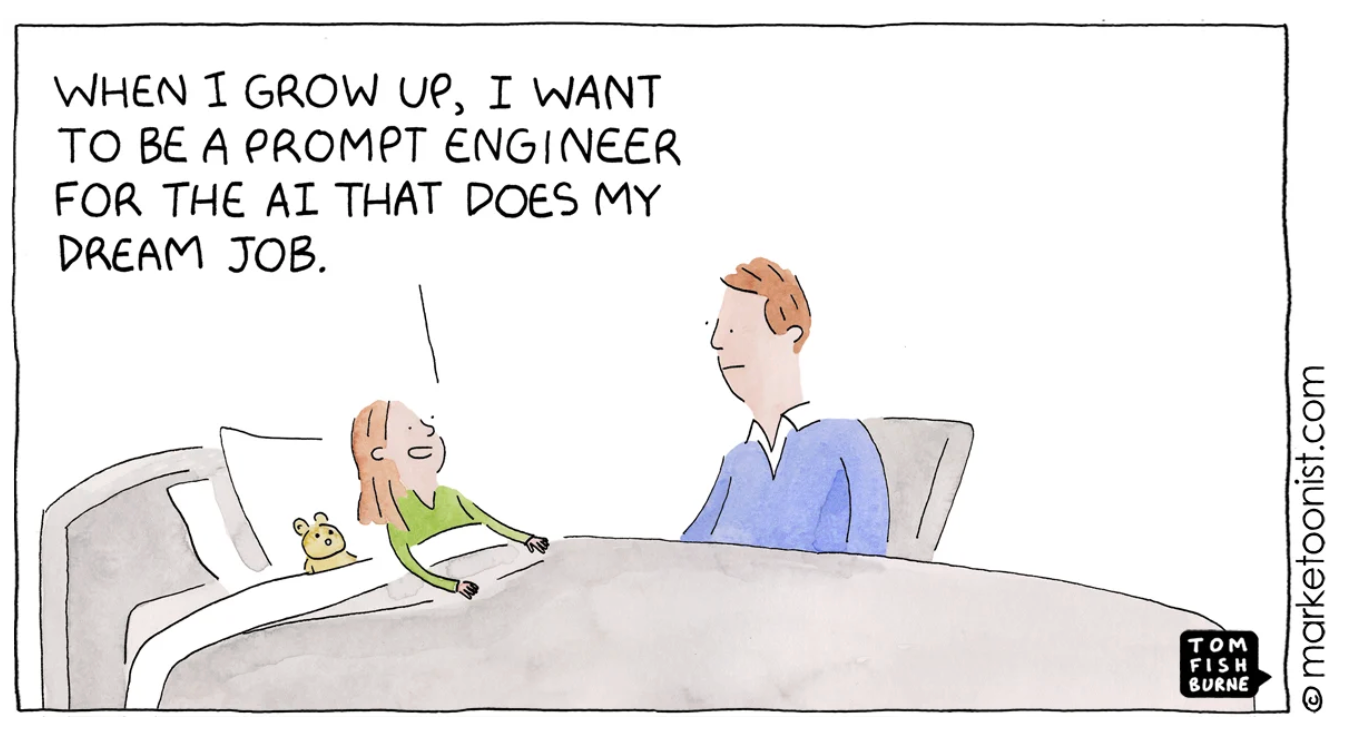
AI is no longer just affecting factory jobs or repetitive labor. It’s now touching roles that were once considered “safe”: analysts, writers, designers, and software engineers. The idea that years of education and experience could be partially or fully automated creates a deep sense of instability.
This isn’t just theoretical. People are already seeing:
- Hiring slowdowns in certain sectors
- Increased automation of entry-level roles
- Companies experimenting with smaller, AI-augmented teams
When AI is framed as a replacement rather than a tool, it becomes expected that public perception skews negative.
Media Amplifies Extremes
The way AI is portrayed also plays a major role.
Headlines tend to fall into two categories:
- Hype: “AI will solve everything”
- Fear: “AI will take your job” or “AI could be dangerous”
Both extremes distort reality. The average person isn’t interacting with AI research papers — they’re consuming simplified, often sensationalized narratives. Over time, this creates confusion and mistrust. People are left asking: Is AI overhyped, or is it something to be afraid of?
Without clear, grounded explanations, skepticism fills the gap.
Lack of Transparency
Another key issue is that AI often feels like a “black box.”
Most users don’t know:
- How AI models are trained
- What data they use
- Why they produce certain outputs
This lack of transparency makes it hard to build trust. If a system makes a mistake, or shows hallucinations or biases, people don’t just question the output. They question the entire system. Trust requires understanding, and right now, that understanding is limited.
A Practical Way to Think About AI
Part of the disconnect may come from how AI is framed. It’s often positioned as something all-or-nothing: either you embrace it fully, or you reject it entirely.
But a more grounded way to think about AI is this: AI is a tool, not a requirement.
It’s similar to cooking. You can use a garlic mincer to save time, or you can use a knife. Both approaches work. The knife is the original, reliable method. The garlic mincer doesn’t replace it — it just makes the process faster and more efficient.
AI works the same way.
You can still solve problems, write code, analyze data, and build systems without AI. Those foundational skills remain valuable and viable. But AI acts as a modern tool that accelerates those processes.
In today’s industry, especially for engineers with ideas, time is one of the most valuable resources. AI becomes less about replacing human ability and more about amplifying it. It helps:
- Prototype faster
- Debug more efficiently
- Explore ideas with lower friction
From this perspective, AI isn’t something to fear or blindly depend on. It’s a skill and a tool — one that, when used thoughtfully, can significantly increase productivity.
The Human Factor
There’s also a more emotional layer to this.
AI challenges something fundamental: the idea of human uniqueness.
When machines can write essays, generate images, and hold conversations, it raises uncomfortable questions about creativity, intelligence, and identity. For some, this feels exciting. For others, it feels like something deeply human is being diminished.
However, it’s important to draw a distinction: AI cannot truly replace human creativity and art.
AI systems are trained on vast amounts of existing data. What they produce is often a recombination of patterns, styles, and ideas that already exist. While this can be powerful and useful, it is fundamentally different from human creativity. Humans create from lived experience, emotion, context, and intention — factors that AI does not genuinely possess.
In this sense, AI can assist creativity, inspire new directions, or help iterate faster, but it cannot originate something in the same deeply human way. Truly unique ideas, the kind that redefine perspectives or emerge from personal experience, remain a human domain.
A Trust Gap, Not a Technology Gap
What’s important to recognize is that this isn’t just a technology problem — it’s a trust problem.
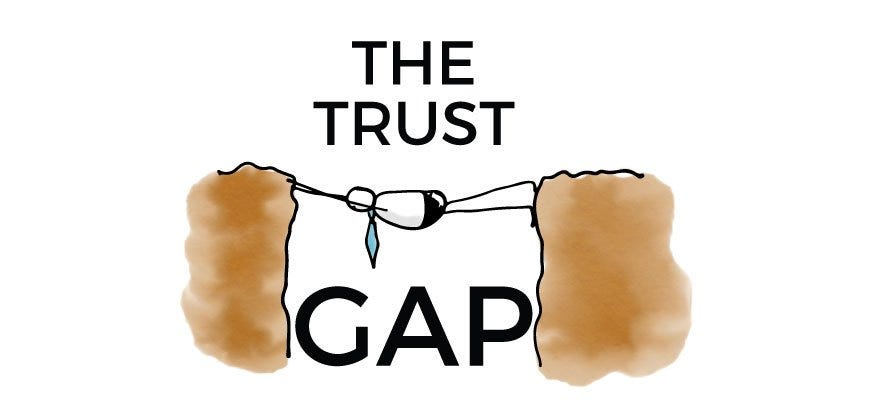
The gap between 26% positive and 46% negative isn’t because AI lacks capability. It’s because people are unsure how it will affect their lives, their jobs, and their future.
Bridging this gap will require more than better models. It will require:
- Clear communication about what AI can and cannot do
- Responsible deployment that prioritizes real-world impact
- Education that empowers people to understand and use AI
- Honest conversations about risks, not just benefits
Where This Goes Next
Public perception of AI is not fixed. It will evolve.
Historically, many transformative technologies, from electricity to the internet, faced skepticism before becoming widely accepted. AI may follow a similar path, but the timeline is compressed, and the stakes feel higher.
The question isn’t whether AI will continue to advance. The real question is whether trust can catch up fast enough. Because until it does, the future of AI won’t just be shaped by what the technology can do — but by how people choose to use it.